out there in the dark

Sagamikio-014

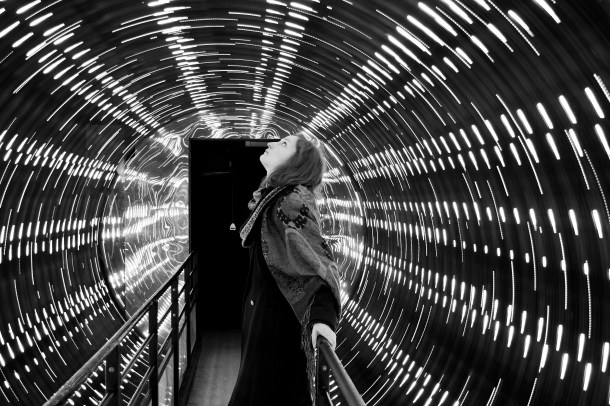
This is a self-portrait that I took at the Sakamiko Illumination.  I am standing in an enclosed walk-through tube that has walls which project a revolving kaleidoscope of colored light.  I was only able to look directly at the ceiling for a few seconds before the luminance’s intensity forced me to look away.
Sagamihara, Japan
February 2016


Radiant Route

Sagamikio-006

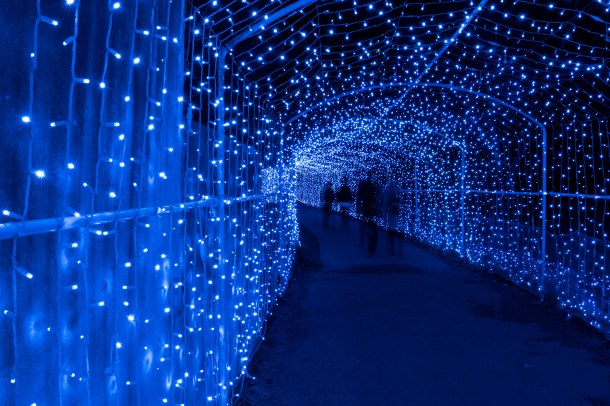
Yesterday, I visited the Sagamiko Illumination.  In Japan,  light displays are very popular during the winter season.

The Sakamiko display is the largest illumination in the Kanto area.  The theme this year is Great Britain and they  used 5.5 million lights!

The Sagamiko Illumination will run until April 10th.  Catch it if you can!

website 
Sagamiko Illumination


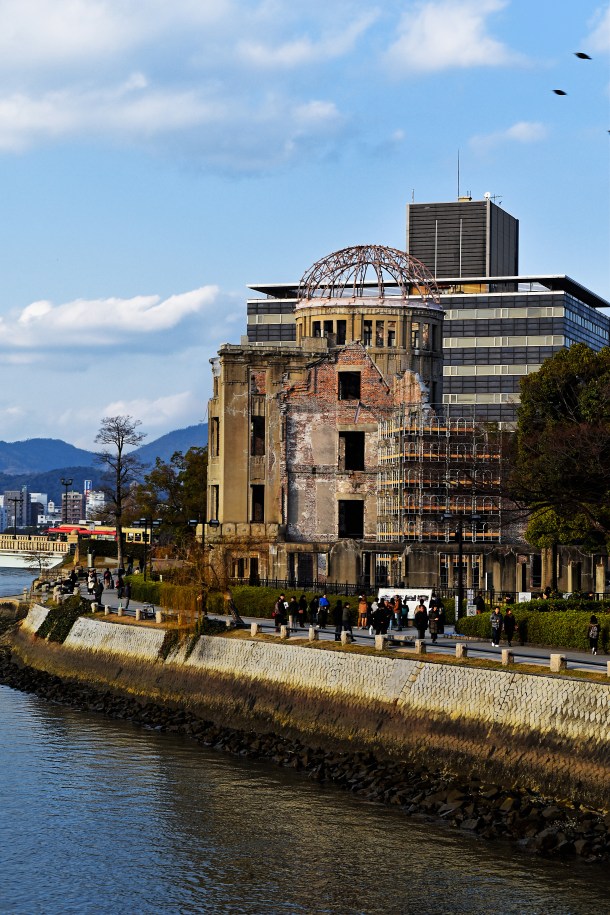
Genbaku Dome (Atomic Bomb Dome)

Hiroshima Memorial Bomb Dome

On August 6th, 1945 at 8:15 a.m, the United States Army Air Forces dropped an atomic bomb on the city of Hiroshima, Japan.   The bomb exploded in close proximity to the Genbaku Dome; it virtually destroyed the entire city.  Former Hiroshima mayor, Shinzo Hamai, was instrumental in collecting funds for the dome’s preservation.  The Genbaku Dome has undergone two preservation projects since the 1960s.


霜ばしら/Frost Pillars


Frost Pillar_Final

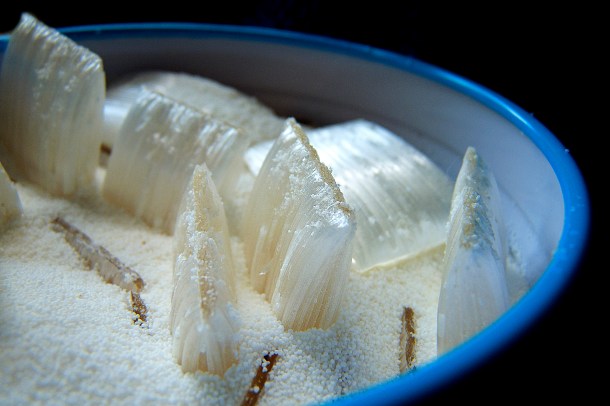
My husband and I received these delicate, delicious candies as a gift this past weekend.

Made from starch syrup, sugar, glutinous rice, and starch, Shimobashira (霜ばしら) are a traditional Japanese candy which are only sold between October and April in Miyagi Prefecture’s Sendai City.

Shimobashira means “frost pillar” and the candies are meant to resemble the  small pillars of frost that form near the foot of Mount Zao during the winter season. In English, frost pillars are often called Needle Ice.  They are formed when soil temperature is above freezing (0°C/32°F) and air’s surface temperature is below freezing.

The fragile candies are packed in rakugan flour—a mixture of sugar and rice flour—in order to keep them moist and to prevent breakage.  The flour can be lightly heated (the rakugan should not be melted), added to a few pinches of salt, and then used as a topping for the candy, however, Shimobashira can also be enjoyed without the rakugan flour.

Here is an example of real “needle ice”.  I found this image at the following website.
themanageablelife

ribbons-of-winter